
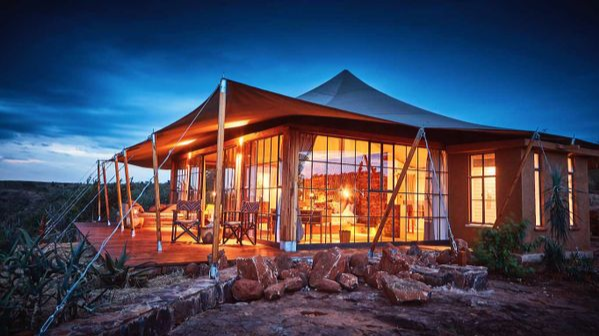


Kenya safari experiences need not require luxury budgets. Across the country’s premier wildlife destinations, a growing number of affordable safari lodges provide comfortable accommodations, excellent wildlife access, and authentic bush experiences at prices that make African dreams accessible to budget-conscious travelers. From the Maasai Mara’s grasslands to Amboseli’s elephant herds, from Tsavo’s wilderness to Lake Nakuru’s flamingos, affordable safari lodges Kenya offer remarkable value without sacrificing the essence of what makes safaris transformative.
These budget-friendly lodges prove that memorable wildlife encounters depend more on location, knowledgeable guides, and time spent in nature than on thread counts and champagne service. By focusing resources on what matters—proximity to wildlife areas, experienced guides, and quality game drives—affordable safari lodges deliver authentic experiences that often surpass their luxury counterparts in creating genuine connections with Africa’s wild spaces and local communities.
Understanding Affordable Safari Lodges in Kenya
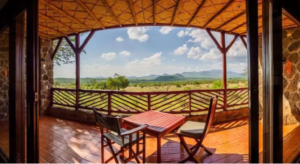 Affordable safari lodges in Kenya typically fall within the $100-250 per person nightly range, including accommodation, meals, and often game drives. This price point represents significant savings compared to mid-range lodges ($300-600 nightly) and luxury properties ($800-2,000+ nightly), making multi-day safaris financially feasible for travelers with limited budgets.
What distinguishes affordable lodges from budget camping isn’t luxury but rather comfort and convenience. These lodges offer proper beds rather than sleeping bags, en-suite bathrooms with hot showers instead of shared facilities, restaurant meals versus basic camp cooking, and permanent structures providing protection from elements. While amenities remain modest—simple furnishings, fans rather than air conditioning, basic décor—they provide comfortable bases for safari adventures.
The quality spectrum within affordable lodges varies considerably. The best properties strategically position near prime wildlife areas, employ knowledgeable local guides who enhance game viewing, maintain clean facilities with reliable infrastructure, serve wholesome meals using fresh ingredients, and demonstrate genuine hospitality creating welcoming atmospheres. Lesser properties may cut corners on cleanliness, guide quality, or location, diminishing overall safari value despite lower prices.
Top Destinations for Affordable Safari Lodges
 Maasai Mara National Reserve
The Maasai Mara, Kenya’s premier wildlife destination, offers numerous affordable lodge options despite its fame. Budget lodges cluster around the reserve’s periphery, particularly near Sekenani, Talek, and Oloolaimutia gates. While not inside the reserve itself, these strategic locations provide quick access (15-30 minutes) to prime game viewing areas.
Recommended affordable Mara lodges include properties offering full-board accommodation, twice-daily game drives, and knowledgeable guides at reasonable rates. Many feature pleasant settings with views toward the reserve, swimming pools for midday relaxation, and comfortable if simple rooms. The key advantage lies in proximity—shorter drives mean more time observing wildlife and lower fuel costs, stretching safari budgets further.
During peak migration season (July-October), even affordable Mara lodges see price increases of 20-40%. Visiting during shoulder seasons (January-March or November) delivers excellent wildlife viewing at significantly lower costs, sometimes dropping below $150 per person nightly full-board.
Amboseli National Park
Amboseli’s compact size and proximity to Nairobi (approximately 4 hours) make it ideal for shorter safaris, reducing overall trip costs. Several affordable lodges position just outside the park near Kimana and Kuku Group Ranch areas, providing Kilimanjaro views and reasonable park access.
Budget-friendly Amboseli properties typically offer basic but clean accommodations, meals, and game drive arrangements. The park’s relatively small size means even lodges several kilometers from gates still provide efficient wildlife access. Some lodges incorporate local Maasai communities in operations, adding cultural dimensions to wildlife experiences while supporting community development.
Tsavo East and West National Parks
Tsavo’s vast wilderness hosts numerous affordable safari lodges offering exceptional value. The parks’ size and multiple entry points create opportunities for budget properties in various locations. Tsavo lodges generally cost less than Mara or Amboseli equivalents while providing equally compelling wildlife experiences—famous red elephants, dramatic landscapes, and the advantage of fewer tourists.
Affordable Tsavo lodges range from simple banda (basic cabin) accommodations to more developed properties with restaurants and pools. The best balance location, comfort, and price, ensuring reasonable drives to prime wildlife areas. Tsavo’s year-round wildlife presence means affordable lodges deliver value regardless of season.
Lake Nakuru National Park
Lake Nakuru’s proximity to Nairobi (2-3 hours) and compact size make it perfect for budget safaris. Affordable lodges in nearby Nakuru town or surrounding areas provide bases for day trips or overnight stays. While fewer lodges exist within the park itself, external properties offer significant savings while maintaining reasonable access.
Budget Lake Nakuru safaris often combine with Lake Naivasha (30 minutes away) where additional affordable lodging options exist. This dual-lake itinerary maximizes wildlife diversity—rhinos and flamingos at Nakuru, hippos and varied birdlife at Naivasha—while keeping costs manageable.
Samburu, Buffalo Springs, and Shaba Reserves
Northern Kenya’s Samburu region offers affordable safari lodge options in stunning settings with unique wildlife. Budget properties near the reserves provide access to Grevy’s zebras, reticulated giraffes, and other special species while costing substantially less than luxury Samburu camps.
The region’s remoteness means even affordable lodges feel exclusive given lower overall tourist numbers. Simple riverside lodges offer pleasant settings, decent meals, and knowledgeable local guides familiar with tracking the region’s special species. The dramatic landscapes and cultural encounters with Samburu communities add value beyond wildlife viewing.
What to Expect at Affordable Safari Lodges
Accommodation Standards
Affordable safari lodges typically provide comfortable but basic rooms or bandas (individual cottages). Expect simple furnishings—a bed with mosquito net, small sitting area, and basic wardrobe. En-suite bathrooms include toilets, sinks, and showers with hot water, though water pressure and temperature consistency may vary. Some properties use solar power, meaning limited electricity during daytime hours and restrictions on high-power devices.
Room sizes remain modest compared to luxury lodges, with basic décor and minimal amenities. Air conditioning is rare—most rely on fans or natural ventilation. While not lavish, clean linens, functioning facilities, and adequate comfort for sleeping after full safari days represent the standard.
Dining and Meals
Affordable lodges serve buffet-style meals featuring local and international dishes. Breakfast typically includes eggs, toast, fruits, cereals, and hot beverages. Lunches and dinners offer meat or chicken options, vegetarian dishes, rice or ugali (cornmeal staple), vegetables, and simple desserts. While not gourmet, meals provide adequate nutrition and energy for safari activities.
Most affordable lodges accommodate dietary requirements (vegetarian, vegan, religious restrictions) with advance notice. Food quality varies—better properties use fresh ingredients and varied menus, while others may repeat dishes or rely on less expensive ingredients. Included beverages typically cover water, tea, and coffee, with sodas and alcohol available for purchase.
Game Drives and Guides
Affordable lodges include daily game drives, typically two per day (early morning and late afternoon) in their rates. Vehicles are standard safari Land Cruisers or minibuses with pop-up roofs for standing observation and photography. Vehicle conditions vary—newer, well-maintained vehicles versus older, less comfortable options affect overall experience quality.
Guide expertise significantly impacts safari value. The best affordable lodges employ experienced local guides with extensive wildlife knowledge, excellent spotting abilities, and engaging personalities. These guides recognize individual animals, understand behaviors, share ecological insights, and position vehicles effectively for viewing and photography. Lesser lodges may assign less experienced guides or drivers with limited wildlife knowledge, diminishing safari quality despite lower costs.
Additional Amenities
Common areas in affordable lodges typically include simple lounges with seating for socializing and wildlife books, outdoor areas for enjoying views, and sometimes modest swimming pools offering midday relief from heat. WiFi availability remains inconsistent—some lodges offer limited connectivity in public areas, while others have none.
Don’t expect luxury amenities like spas, extensive bars, or elaborate entertainment programs. The focus remains on wildlife experiences rather than lodge facilities. Evening entertainment might include traditional Maasai dances or cultural presentations, adding value without significant cost increases.
Maximizing Value at Affordable Safari Lodges
Booking Strategies
Direct booking with lodges often yields better rates than third-party platforms, particularly for longer stays or group bookings. Many affordable lodges offer discounts for advance bookings (3-6 months ahead), multiple-night stays (typically 10-15% off for 3+ nights), or visiting during low season.
Package deals combining accommodation, meals, and game drives generally provide better value than booking components separately. Verify exactly what’s included—some “affordable” rates exclude park fees, game drives, or certain meals, making actual costs higher than advertised.
Group travel dramatically reduces per-person costs. Traveling with 4-6 people allows sharing vehicle costs and often negotiating better lodge rates. Solo travelers face supplements at most lodges but can sometimes find roommate-matching arrangements reducing single occupancy charges.
Timing and Seasonality
Low season (April-May and November) sees dramatic price reductions at affordable lodges, sometimes 30-50% below high season rates. Wildlife viewing remains excellent despite occasional rains—many animals concentrate around remaining water sources, and lush landscapes enhance photography. Road conditions may challenge during heavy rains but remain generally manageable in major parks.
Shoulder seasons (January-March and June) offer optimal value combinations—reasonable prices, good weather, excellent wildlife viewing, and manageable tourist numbers. Peak season (July-October during migration and December-January holidays) brings maximum prices even at budget properties, sometimes approaching mid-range lodge costs during normal periods.
Alternative Accommodation Options
Consider mixing accommodation types for additional savings. Perhaps spend 2-3 nights at affordable lodges in prime locations like the Mara, then transition to camping for less wildlife-intensive portions of itineraries. This hybrid approach balances comfort and budget.
Staying outside parks in gateway towns (Narok for Mara, Karatu for Ngorongoro, Voi for Tsavo) and arranging day trips reduces costs substantially. While increasing travel time, this strategy works for travelers prioritizing budget over convenience.
Comparing Affordable Safari Lodges to Other Options
Versus Budget Camping
Affordable lodges cost roughly double budget camping ($50-100 nightly) but provide significant comfort upgrades: real beds versus sleeping bags, private bathrooms rather than shared facilities, hot showers reliably available, restaurant meals instead of basic camp cooking, and protection from weather and nighttime sounds. For travelers uncomfortable with camping or wanting more rest between game drives, affordable lodges justify the premium.
Versus Mid-Range Lodges
Mid-range lodges ($300-600 nightly) offer superior amenities—air conditioning, more spacious rooms, higher-quality meals, better locations (often inside parks), smaller groups ensuring more personalized attention, and consistently newer vehicles and more experienced guides. However, the core safari experience—wildlife viewing opportunities—differs less dramatically than the price gap suggests. Budget-conscious travelers accepting modest accommodations receive excellent wildlife experiences at affordable lodges while saving 50-70% compared to mid-range properties.
Versus Luxury Lodges
Luxury lodges ($800-2,000+ nightly) provide exceptional service, gourmet dining, spa treatments, private plunge pools, and other premium amenities. They often occupy exclusive locations or private conservancies with fewer vehicles at sightings. However, the wildlife itself remains largely the same—lions, elephants, and wildebeest behave identically regardless of where observers stay. Affordable lodges deliver authentic wildlife encounters at 10-20% of luxury lodge costs, redirecting savings toward longer stays, additional destinations, or future travel.
Recommended Affordable Safari Lodge Practices
Pre-Arrival Research
Thoroughly research specific lodges through recent reviews on platforms like TripAdvisor, SafariBookings, or Google Reviews. Pay particular attention to comments about cleanliness, food quality, guide expertise, and actual costs versus advertised rates. Photos can mislead—reviews from travelers with similar expectations provide better guidance.
Verify included services clearly. Confirm whether rates include park fees (significant expenses), all meals, game drives, and transfers. Hidden costs can transform apparently affordable options into expensive surprises.
During Your Stay
Communicate clearly with guides about your interests and priorities. Whether focused on photography requiring different positioning, interested in birds beyond mammals, or wanting ecological information versus pure game viewing, good guides adapt to preferences when informed.
Respect that affordable lodges operate on tight margins. Patience with minor inconveniences—occasional hot water delays, simple meals, or basic amenities—maintains positive experiences. Lodge staff generally work hard to provide good service within budget constraints and appreciate courteous guests.
Tip appropriately for good service. While traveling on budget, remember staff wages remain modest. Recommended tipping: $5-10 daily for guides who performed well, $3-5 daily for other lodge staff. Quality service deserves recognition even at budget properties.
Safety and Health
Affordable lodges should still maintain adequate safety standards. Verify secure fencing or protocols for nighttime movements between rooms and common areas. Staff should escort guests after dark in areas where wildlife may enter camp premises.
Water quality varies—even at affordable lodges, drink only bottled or purified water. Most lodges provide bottled water, but carry purification tablets or filters as backup. Food hygiene standards should remain high regardless of price point—avoid lodges with questionable cleanliness regardless of low rates.
Conclusion
Affordable safari lodges Kenya prove that extraordinary wildlife experiences need not require luxury budgets. By focusing on what truly matters—proximity to wildlife areas, knowledgeable guides, and adequate comfort for recovering between game drives—these budget-friendly properties deliver authentic safari adventures at accessible prices.
The key to successful affordable safari experiences lies in managing expectations appropriately. Accepting simple accommodations, basic amenities, and modest meals liberates budget travelers to experience Africa’s magnificent wildlife without financial stress. The elephants, lions, and wildebeest appear equally spectacular regardless of lodge price points, and sunrises over the savannah inspire equally profound wonder from budget bandas as from luxury suites.
Strategic planning maximizes value from affordable lodges: traveling during shoulder seasons, booking directly with properties, sharing costs through group travel, and thoroughly researching specific lodges ensuring quality meets budget. The growing availability of good affordable options across Kenya’s premier wildlife destinations makes safari dreams achievable for travelers previously priced out of African adventures.
As you plan your Kenya safari, remember that the most valuable investment isn’t accommodation luxury but rather time in the bush observing wildlife, learning from experienced guides, and immersing in ecosystems where nature’s ancient dramas continue unfolding. Affordable safari lodges Kenya provide exactly that—authentic encounters with Africa’s wild heart at prices that welcome rather than exclude, proving that some dreams require determination more than wealth.
Key Takeaways
- Affordable safari lodges in Kenya typically cost $100-250 per person nightly including accommodation, meals, and often game drives—50-70% less than mid-range properties while maintaining access to prime wildlife areas
- Top destinations for budget lodges include Maasai Mara (lodges near Sekenani and Talek gates), Amboseli (Kimana area properties), Tsavo East and West (various locations), Lake Nakuru (nearby town), and Samburu (riverside lodges)
- Expect comfortable but basic accommodations with en-suite bathrooms, simple meals, standard safari vehicles, and experienced guides at quality properties—focus remains on wildlife experiences rather than luxury amenities
- Low season (April-May, November) and shoulder season (January-March, June) offer 30-50% discounts compared to peak periods (July-October migration, December-January holidays) while maintaining excellent wildlife viewing
- Maximize value through direct lodge booking, advance reservations (3-6 months), multiple-night stays (10-15% discounts), group travel sharing costs, and package deals combining accommodation and game drives
- Quality varies significantly among affordable lodges—prioritize properties with recent positive reviews regarding cleanliness, food quality, guide expertise, and location versus simply choosing lowest prices
- Affordable lodges deliver authentic wildlife encounters at 10-20% of luxury lodge costs, allowing budget reallocation toward longer stays, additional destinations, or simply making African safaris financially accessible
- Critical research includes verifying what’s included in rates (park fees, all meals, game drives), reading recent traveler reviews, confirming vehicle conditions and guide experience, and understanding location relative to wildlife areas
Frequently Asked Questions
What is included in affordable safari lodge rates in Kenya?
Inclusions vary by property but typically encompass accommodation, all meals (breakfast, lunch, dinner), and at least two game drives daily (early morning and late afternoon). Quality affordable lodges include park entrance fees in quoted rates, while others charge these separately—verify during booking as Maasai Mara fees alone cost $80+ daily. Most include drinking water, tea, and coffee, with sodas and alcohol available for purchase. Transfers between lodges or from airports may or may not be included—confirm clearly. The best value packages bundle accommodation, meals, game drives, and park fees into single rates simplifying budgeting and avoiding unexpected costs.
How much should I budget for an affordable safari in Kenya?
For 5-7 day safaris visiting 2-3 parks using affordable lodges, budget $800-1,500 per person excluding international flights. This covers accommodation ($100-200 nightly), meals (usually included), park fees ($60-80 daily per park), game drives (often included), and ground transportation between parks. Add international flights ($800-1,500 from Europe/US to Nairobi), tips ($10-15 daily for guides, $5 daily for lodge staff), visas ($50), travel insurance ($50-100), and personal expenses ($200-400 for drinks, souvenirs, optional activities). Total budget-conscious 7-day safaris run approximately $2,000-3,000 per person including flights. Group travel and low-season timing reduce costs further.
Are affordable safari lodges safe and clean?
Reputable affordable lodges maintain adequate safety and cleanliness standards despite modest amenities. Quality properties feature secure fencing or protocols for wildlife safety, clean rooms with functioning facilities, properly prepared food meeting hygiene standards, and staff trained in emergency procedures. However, standards vary significantly—research specific properties through recent reviews focusing on cleanliness, maintenance, and safety. Warning signs include consistently poor cleanliness reviews, reports of non-functioning facilities, food safety concerns, or inadequate security measures. Choose established lodges with positive recent reviews over unknown properties offering suspiciously low rates. Most affordable lodges operated by reputable companies maintain acceptable standards—extreme budget options cutting too many corners should be avoided.
What’s the difference between affordable lodges and budget camping safaris?
Affordable lodges cost approximately double budget camping ($50-100 nightly) but provide significant comfort advantages: permanent structures with real beds versus tents with sleeping bags, private en-suite bathrooms rather than shared facilities, reliable hot showers, restaurant-prepared meals instead of basic camp cooking, and protection from weather and nighttime sounds. Lodges require less personal gear since bedding and facilities are provided. Camping offers more authentic bush experiences for those comfortable with basic conditions and wanting maximum budget savings. Affordable lodges suit travelers prioritizing some comfort and convenience while still minimizing costs, families with children, or anyone uncomfortable with camping conditions.
Can solo travelers find affordable safari lodge options?
Yes, though solo travelers face single occupancy supplements (typically 50-80% of double rate) at most lodges. However, some affordable lodges offer single rooms at reasonable rates or provide roommate-matching services pairing solo travelers to split costs. Joining small group safaris through budget tour operators eliminates single supplements while sharing vehicle costs with 4-6 participants. Solo-friendly strategies include booking during low season when lodges may waive supplements to fill rooms, directly negotiating rates for longer stays, or choosing properties specifically marketing to solo travelers. Some Nairobi-based budget operators organize scheduled departure tours where solo travelers join groups, sharing costs while maintaining individual bookings.
How do I choose between affordable lodges in the same area?
Prioritize several factors beyond price alone. Location matters significantly—lodges closer to park gates mean more wildlife viewing time and lower fuel costs. Recent reviews from travelers with similar expectations provide best guidance regarding cleanliness, food quality, staff friendliness, and guide expertise. Verify included services clearly—some “affordable” rates exclude essential costs like park fees or game drives, making them more expensive ultimately. Vehicle conditions and guide experience dramatically impact safari quality—lodges investing in well-maintained vehicles and experienced guides deliver superior value. Consider supporting community-based lodges employing locals and contributing to conservation, adding meaningful dimensions beyond pure tourism.
What time of year offers the best value at affordable lodges?
Low season (April-May long rains, November short rains) delivers maximum value with rates dropping 30-50% below peak season while wildlife viewing remains excellent. Shoulder seasons (January-March, June) balance good weather, reasonable prices (20-30% below peak), excellent wildlife viewing, and manageable crowds—arguably optimal times for budget safaris. Peak season (July-October migration, December-January holidays) brings maximum prices even at budget properties, sometimes approaching mid-range lodge costs during normal periods. Book well ahead for peak season or accept limited choices. Flexible travelers visiting during rainy seasons accept occasional inconveniences (muddy conditions, afternoon showers) in exchange for dramatic savings and fewer tourists.
Do affordable lodges offer the same wildlife viewing opportunities as luxury properties?
Wildlife viewing opportunities depend primarily on location and guide quality rather than lodge luxury. Affordable lodges near prime wildlife areas with experienced guides deliver viewing comparable to expensive properties. The animals themselves behave identically regardless of where observers stay. However, luxury lodges often occupy exclusive locations (private conservancies, prime park positions) with fewer vehicles at sightings, more flexible game drive timing, and night drives unavailable at budget properties. Top affordable lodges in good locations with quality guides provide 80-90% of the wildlife experience at 20-30% of the cost. The tradeoff lies in exclusivity and special activities rather than basic wildlife encounter quality.
Are meals at affordable lodges adequate for full safari days?
Yes, reputable affordable lodges serve adequate meals providing necessary energy for safari activities. Expect buffet-style service featuring local and international dishes—breakfast with eggs, toast, fruits, cereals; lunches and dinners with meat/chicken, vegetarian options, rice or ugali, vegetables, and simple desserts. While not gourmet, portions should satisfy and food should be fresh and properly prepared. Quality varies—better properties use fresh ingredients and varied menus, while others may be repetitive. Most accommodate dietary requirements (vegetarian, vegan, allergies) with advance notice. Pack supplementary snacks for game drives—granola bars, dried fruits, nuts—since meals between breakfast and lunch/dinner may span many hours.
What should I look for in affordable lodge reviews before booking?
Focus on recent reviews (within 6-12 months) addressing key factors: cleanliness and maintenance of rooms and facilities, food quality and variety, guide knowledge and professionalism, vehicle conditions, staff friendliness and service, actual location and park access times, hidden costs or unexpected charges, WiFi reliability if important, hot water availability and consistency, and overall value for money. Multiple reviews mentioning the same issues (positive or negative) indicate patterns versus isolated experiences. Compare reviews across platforms (TripAdvisor, SafariBookings, Google) for comprehensive perspectives. Be wary of properties with very few recent reviews or suspiciously perfect ratings—these may not reflect current conditions. Photos can be dated or misleading—text reviews from travelers with similar priorities provide better guidance.