


Nepal is one of the world’s greatest destinations for mountaineering and adventure tourism. Surrounded by the majestic Himalayas, the country offers incredible opportunities for trekking and peak climbing. Among the most popular climbing adventures in Nepal are Island Peak Climbing and Mera Peak Climbing. These peaks attract climbers from around the world who want to experience high-altitude mountaineering while enjoying breathtaking Himalayan scenery.
Both Island Peak and Mera Peak are considered ideal choices for beginner and intermediate climbers who want to gain mountaineering experience in Nepal. These adventures combine trekking, climbing, cultural exploration, and unforgettable mountain views.
Island Peak Climbing
Island Peak Climbing is one of Nepal’s most famous peak climbing adventures. Also known as Imja Tse, Island Peak stands at an altitude of 6,189 meters in the Everest region. The peak received its name because it appears like an island surrounded by glaciers when viewed from Dingboche.
Island Peak is considered a challenging but achievable climbing peak for trekkers who want to step into the world of mountaineering. The journey usually begins with the famous Everest Base Camp trekking route, allowing climbers to experience Sherpa culture and Himalayan landscapes before attempting the summit.
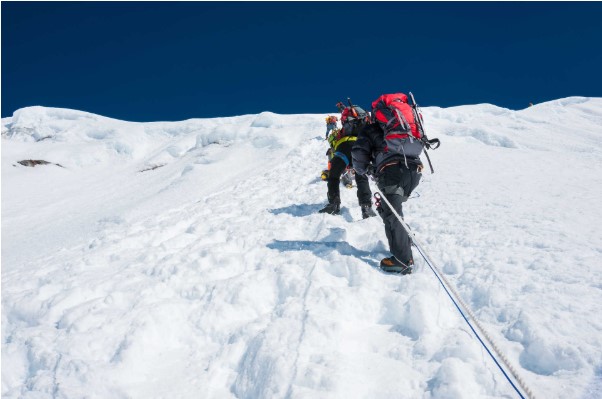
The climb includes glacier walking, steep snow slopes, and the use of climbing equipment such as ropes, harnesses, crampons, and ice axes. Reaching the summit rewards climbers with incredible panoramic views of Mount Everest, Lhotse, Nuptse, Ama Dablam, and surrounding Himalayan peaks.
Key Highlights of Island Peak Climbing
Exciting Mountaineering Experience
Island Peak provides the perfect introduction to Himalayan climbing and technical mountaineering.
Stunning Everest Region Views
Climbers can enjoy spectacular views of Everest, Lhotse, Ama Dablam, and other famous mountains.
Combination of Trekking and Climbing
The journey combines the Everest Base Camp trekking experience with high-altitude climbing adventure.
Sherpa Culture and Villages
Trekkers pass through traditional Sherpa villages like Namche Bazaar and Dingboche, experiencing local culture and hospitality.
Glacier and Ice Climbing Adventure
The climb involves crossing glaciers and climbing snow-covered slopes, making the adventure more thrilling.
Sense of Achievement
Reaching the summit of Island Peak is a major accomplishment for many climbers and adventure enthusiasts.
Island Peak Climbing is ideal for physically fit trekkers looking for a challenging and rewarding Himalayan adventure.
Mera Peak Climbing
Mera Peak Climbing is another popular peak climbing adventure in Nepal. Standing at 6,476 meters, Mera Peak is the highest trekking peak in Nepal. It is located in the remote Hinku Valley of the Everest region and offers some of the best mountain views in the Himalayas.
Although Mera Peak is higher than Island Peak, it is considered less technically difficult. This makes it suitable for climbers with basic mountaineering skills and strong physical fitness. The route passes through peaceful forests, remote villages, alpine landscapes, and glacier valleys before reaching Mera Peak Base Camp.
One of the most remarkable aspects of Mera Peak Climbing is the breathtaking summit panorama. From the top, climbers can see five of the world’s highest mountains: Everest, Lhotse, Makalu, Cho Oyu, and Kanchenjunga.
Key Highlights of Mera Peak Climbing
Highest Trekking Peak in Nepal
Mera Peak offers a high-altitude climbing experience with relatively moderate technical difficulty.
Incredible Himalayan Panorama
The summit provides views of some of the highest mountains in the world.
Remote and Peaceful Trails
The Hinku Valley route is less crowded, allowing climbers to enjoy peaceful Himalayan landscapes.
Rich Natural Beauty
The trek passes through forests, rivers, glaciers, and alpine valleys filled with natural beauty.
Ideal for Beginner Climbers
Mera Peak is suitable for climbers who want high-altitude experience without advanced technical climbing.
Adventure and Personal Achievement
Standing on the summit of Mera Peak gives climbers an unforgettable sense of success and confidence.
Mera Peak Climbing is perfect for adventure lovers seeking a high-altitude Himalayan challenge with stunning scenery.
Difference Between Island Peak Climbing and Mera Peak Climbing
Although both peaks are located in the Everest region, they offer different climbing experiences.
| Island Peak Climbing | Mera Peak Climbing |
| More technical climbing experience | Less technical but higher altitude |
| Located near Everest Base Camp route | Located in remote Hinku Valley |
| Requires glacier and rope climbing skills | Suitable for beginners with basic training |
| Popular among mountaineering learners | Famous for panoramic Himalayan views |
| Lower altitude than Mera Peak | Highest trekking peak in Nepal |
Climbers seeking technical mountaineering challenges often choose Island Peak, while those wanting a high-altitude adventure with moderate difficulty prefer Mera Peak.
Best Time for Climbing
The best seasons for Island Peak Climbing and Mera Peak Climbing are:
- Spring (March to May)
- Autumn (September to November)
During these months, weather conditions are stable, skies are clear, and mountain visibility is excellent.
Essential Climbing Tips
- Train physically before the expedition
- Learn basic mountaineering skills
- Carry proper climbing equipment and clothing
- Acclimatize properly to avoid altitude sickness
- Hire experienced climbing guides and porters
- Stay hydrated and maintain energy levels
- Follow safety instructions throughout the climb
Good preparation is the key to a successful and safe climbing experience.
Conclusion
Island Peak Climbing and Mera Peak Climbing are two of Nepal’s most exciting Himalayan adventures. Both climbs offer incredible mountain scenery, thrilling experiences, and the opportunity to achieve a major personal milestone in the Himalayas.