
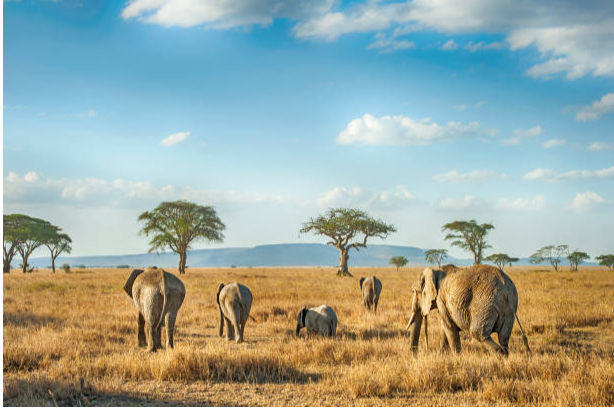


Few trips balance adventure and relaxation as well as a Serengeti and Zanzibar itinerary. For several days you wake before dawn, follow lions across golden plains, and watch wildebeest herds stretch to the horizon. Then a short flight later, you are barefoot on a white-sand beach, swimming in warm turquoise water, and watching a wooden dhow glide across the sunset.
It is the classic “bush and beach” journey, and Tanzania is one of the few countries where both halves are world-class. This guide explains how to combine the two, when to go, how the logistics work, and how to build an itinerary that fits your time and budget.
Why Combine the Serengeti and Zanzibar?
Contrast. A safari is exciting and often tiring, with early starts and long days in a vehicle. Zanzibar offers the opposite: slow mornings, sea breezes, and nothing on the schedule.
Two experiences in one country. You avoid cross-border complications, extra visas, and long international flights between destinations.
Easy connections. Light aircraft and scheduled flights link the national parks with the coast, so you do not need to drive back to the mainland.
Variety of culture. The Serengeti introduces you to Maasai and pastoral cultures, while Zanzibar reflects centuries of Swahili, Arab, Indian, and European history.
Ideal for special occasions. Honeymoons, anniversaries, and family milestones often suit this pairing, since it offers both adventure and rest.
Understanding the Serengeti
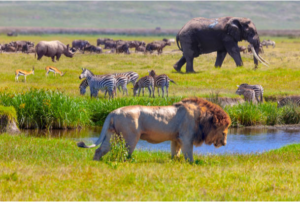
The Serengeti National Park covers about 14,750 square kilometers of grassland, woodland, and river systems in northern Tanzania. It is home to the Big Five, including lions, leopards, elephants, buffalo, and rhinos, although rhinos are rare and seen only occasionally. It also hosts the Great Wildebeest Migration, a year-round movement of roughly 1.5 million wildebeest along with zebras and gazelles.
The park is divided into regions, each with its own character.
- Central Serengeti (Seronera): Reliable wildlife year-round, with excellent big cat viewing.
- Southern Serengeti and Ndutu: Calving season takes place here, usually from around January to March.
- Western Corridor (Grumeti): River crossings can occur here from roughly May to July.
- Northern Serengeti (Kogatende): Mara River crossings are usually seen from around July to October.
Understanding Zanzibar
Zanzibar is a semi-autonomous archipelago in the Indian Ocean, and its main island, Unguja, is the usual destination for beach holidays. The coastline varies widely.
- Nungwi and Kendwa (north): Swimmable water at most tides, lively sunsets, and a wide choice of resorts.
- Paje and Jambiani (southeast): Shallow lagoons, strong winds, kitesurfing, and a relaxed atmosphere, though tides are dramatic.
- Matemwe (northeast): Quieter, more upscale, and close to the snorkeling around Mnemba Atoll.
- Stone Town: A UNESCO World Heritage Site with historic alleys, markets, and Swahili architecture.
Beyond the beaches, visitors can join spice tours, visit Jozani Forest for red colobus monkeys, take dolphin trips from the south, and enjoy fresh seafood.
Best Time to Combine the Serengeti and Zanzibar
The best time depends on what you want to see on safari, and how much you value reliable beach weather.
July to October. This is the dry season in both places. The northern Serengeti offers river crossings, and Zanzibar enjoys sunny skies and lower humidity. It is the most popular and expensive period, so book far ahead.
December to February. The southern Serengeti and Ndutu are ideal for calving season, with newborn wildebeest and active predators. Zanzibar is hot, sunny, and busy over the holidays.
June. A good shoulder month, with strong wildlife viewing and generally pleasant weather on the coast.
March to May. This is the long rainy season. Rain can be heavy on the coast, and some camps and resorts close. Rates fall, and the landscape is green, but weather is less reliable.
November. The short rains arrive, with brief showers. It can be a good option for fewer crowds and reasonable rates.
If your priority is reliable beach weather, aim for June to October or January to February. If you want specific migration moments, build your dates around the herds and choose the beach segment second.
How to Get from the Serengeti to Zanzibar
The logistics are simpler than many travelers expect.
By air. Light aircraft connect Serengeti airstrips, such as Seronera, Kogatende, and others depending on the camp location, with Arusha and other regional hubs. From there, scheduled flights run to Zanzibar, often via Dar es Salaam or directly on some routes. Schedules vary by season, so your operator should confirm connections and allow buffer time.
Overland. Driving from the Serengeti to the coast takes days and is rarely practical for a combined trip.
Luggage limits. Light aircraft usually have strict weight limits and require soft-sided bags. Pack accordingly and leave non-essentials at a hotel in Arusha or Zanzibar if possible.
Buffer days. Weather and flight delays can disrupt plans, so avoid scheduling an international departure on the same day as your last domestic flight.
Sample Itineraries
7-Day Itinerary: Short and Simple
- Days 1 to 4: Arrive in Arusha and fly to the Serengeti. Spend three nights exploring the park with game drives.
- Day 5: Fly from the Serengeti to Zanzibar.
- Days 6 to 7: Relax on the beach, visit Stone Town, and fly home.
10-Day Itinerary: Balanced
- Days 1 to 2: Arrive in Arusha and visit Tarangire National Park.
- Days 3 to 4: Visit Ngorongoro Crater for a half-day descent and overnight in the highlands.
- Days 5 to 7: Explore the Serengeti, positioning your camp according to the migration.
- Day 8: Fly to Zanzibar and settle into your beach base.
- Days 9 to 10: Join a snorkeling trip or spice tour, then depart.
12-Day Itinerary: Full Experience
- Days 1 to 3: Tarangire, Lake Manyara, and Ngorongoro Crater.
- Days 4 to 7: Serengeti, with an optional balloon flight and a night in a different region of the park.
- Days 8 to 12: Zanzibar, split between a lively north coast stay, a visit to Stone Town, and a quiet east coast retreat.
Choosing Your Accommodation
For the Serengeti, decide between mobile camps that follow the migration, permanent tented camps, and lodges with views over the plains. Camp location affects how much driving you do, so ask where it sits relative to the herds during your travel dates.
For Zanzibar, match the beach to your mood. Choose Nungwi or Kendwa for sunsets and swimming, Paje for water sports, or Matemwe for a quiet retreat. Check tide patterns on the east coast before booking.
Consider the budget. Both destinations offer a range from simple lodges to high-end villas, so it is possible to balance a luxury safari with a modest beach stay or the reverse.
Practical Tips
- Check entry and health requirements. Confirm visa rules, recommended vaccinations, malaria precautions, and any yellow fever certificate requirements.
- Book early. Camps and resorts are limited in peak months, and combined itineraries need coordinated flights.
- Pack for two climates. Bring neutral layers and a warm jacket for early game drives, and swimwear, sandals, and lightweight clothes for the coast.
- Dress respectfully in Zanzibar. The island is predominantly Muslim, so cover shoulders and knees in towns and villages.
- Use reef-safe sunscreen. It helps protect the coral around Zanzibar.
- Allow rest time. Do not squeeze the beach into one night. At least three nights lets you actually relax.
- Buy comprehensive insurance. Include medical cover and emergency evacuation.
Common Mistakes to Avoid
- Rushing the beach. One night at the coast feels like a transfer, not a holiday.
- Booking tight flight connections. Delays are common, especially in light aircraft.
- Ignoring tides. East coast beaches can look very different at low tide.
- Overpacking. Weight limits on light aircraft are strict.
- Choosing the safari to fit the beach. Plan the wildlife segment first, since migration timing is less flexible than hotel availability.
Conclusion
A Serengeti and Zanzibar trip gives you two of Tanzania’s finest experiences in one journey: raw, open wilderness followed by warm water and slow days. The key to making it work is planning the order carefully, with the safari first and the beach as a reward, choosing a season that suits both, and giving each half enough time. Book early, allow buffer days for flights, and pack light. Do that, and you will have a trip that combines adventure and relaxation in a way few other destinations can match.
Key Takeaways
- The Serengeti and Zanzibar form a classic bush-and-beach combination within a single country.
- July to October offers dry weather in both places, with river crossings in the northern Serengeti.
- December to February suits calving season in the south and hot, sunny weather on the coast.
- Light aircraft and domestic flights connect the two, usually via Arusha or Dar es Salaam, so allow buffer time.
- Place the safari first and the beach last for a restful finish.
- Spend at least three nights in Zanzibar to actually relax.
- Pack light, dress modestly in towns, and confirm health and entry requirements early.
Frequently Asked Questions
- How many days do I need for a Serengeti and Zanzibar trip? Seven days is a minimum, but ten to twelve days gives a more comfortable balance, with time for both game drives and beach relaxation.
- What is the best time to visit both? July to October is the most popular because of dry weather and river crossings. December to February is also excellent for calving season and warm beach weather.
- How do I travel from the Serengeti to Zanzibar? Most travelers fly from a Serengeti airstrip to Arusha or another hub, then connect to Zanzibar. Your operator can arrange the flights and confirm timings.
- Should I do the safari or the beach first? Most people do the safari first and finish on the beach, which gives a relaxing end to the trip and a buffer before the flight home.
- Which Zanzibar beach is best after a safari? Nungwi and Kendwa are good for swimming and sunsets, Paje suits water sports, and Matemwe offers a quieter, more upscale experience.
- Is it safe to combine them in one trip? Yes. Both are well-established destinations, and reputable operators handle the logistics. Follow standard travel precautions.
- Do I need vaccinations or malaria medication? Malaria is present in much of Tanzania, and a yellow fever certificate may be needed depending on your route. Consult a travel health professional well before departure.
- Can I do this trip on a budget? Yes. Choose mid-range camps and simpler beach accommodation, travel outside peak months, and compare itemized quotes to control costs.
- What should I pack? Bring neutral layers and a warm jacket for the Serengeti, plus swimwear, sandals, and light clothing for Zanzibar. Use soft-sided bags for light aircraft.
- Can I add Kilimanjaro or Ngorongoro to this trip? Yes. Ngorongoro Crater fits easily into the route to the Serengeti, and a Kilimanjaro trek can be added before the safari, though it requires separate planning and extra days.