
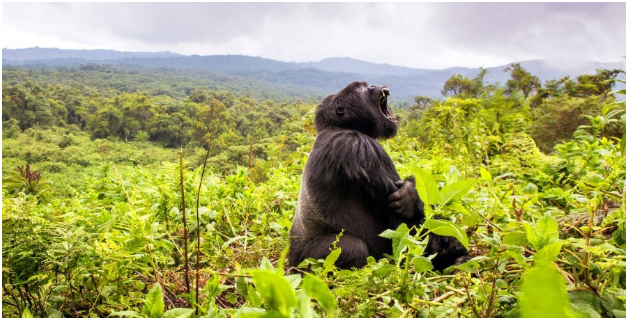


Rwanda has transformed itself into Africa’s premier luxury safari destination, offering world-class gorilla trekking experiences in the breathtaking Volcanoes National Park. This small East African nation, renowned for its conservation success and tourism excellence, provides access to mountain gorillas through a streamlined, professional booking system that reflects the country’s commitment to sustainable high-value tourism. For travelers seeking an unforgettable encounter with these endangered primates in one of the most well-managed wildlife destinations on the continent, understanding the process of booking gorilla permits in Rwanda is essential to planning a successful and meaningful adventure.
Understanding Rwanda’s Gorilla Permit System
A gorilla permit in Rwanda is an official authorization issued by the Rwanda Development Board that allows one individual to trek and spend one precious hour with a habituated mountain gorilla family on a specific date in Volcanoes National Park. These permits serve as the cornerstone of Rwanda’s conservation model, generating crucial revenue for habitat protection, anti-poaching operations, veterinary care for gorillas, and community development programs that benefit local populations living adjacent to protected areas.
Rwanda currently offers gorilla permits at $1,500 per person for all international visitors, regardless of residency status. This pricing positions Rwanda as a premium gorilla trekking destination, significantly higher than neighboring Uganda’s $800 permits. However, the elevated cost reflects Rwanda’s positioning as a luxury experience with exceptional service standards, well-maintained infrastructure, accessibility from Kigali, and the country’s overall tourism strategy focusing on high-value, low-impact visitation.
The permit grants access to one of twelve habituated gorilla families in Volcanoes National Park, with each family accommodating a maximum of eight visitors per day. This limitation protects gorillas from excessive human contact, reduces stress on the animals, minimizes disease transmission risks, and maintains the exclusive, intimate nature of encounters. The strict daily cap means only 96 gorilla trekking permits are available each day across the entire park, creating significant demand that necessitates advance planning.
Volcanoes National Park: Rwanda’s Gorilla Haven
Volcanoes National Park, located in northwestern Rwanda approximately 2.5 hours’ drive from Kigali, encompasses 160 square kilometers of pristine montane rainforest draped across a chain of dormant volcanoes including Mount Karisimbi, Mount Bisoke, Mount Muhabura, Mount Gahinga, and Mount Sabyinyo. This park forms part of the greater Virunga Conservation Area, which extends into Uganda and the Democratic Republic of Congo, creating a transnational protected zone for mountain gorillas.
The park harbors approximately 600 mountain gorillas, roughly one-third of the global population of this critically endangered species. Twelve habituated families are available for tourism, each with distinct characteristics, family dynamics, and territorial ranges. These families include Susa A, Karisimbi, Sabyinyo, Amahoro, Agashya, Kwitonda, Umubano, Hirwa, Bwenge, Ugenda, Muhoza, and Pablo. Each offers unique trekking experiences depending on their location, group size, and the personalities of individual gorillas.
The park’s accessibility from Kigali represents one of Rwanda’s significant advantages over other gorilla trekking destinations. The excellent road conditions, relatively short travel distance, and reliable transportation infrastructure mean visitors can base themselves in Kigali or choose from numerous lodges near the park, ranging from budget-friendly guesthouses to ultra-luxury properties offering world-class amenities and service.
The Booking Process: Navigating Rwanda’s System
Booking gorilla permits in Rwanda involves a more centralized and streamlined process compared to some neighboring countries, reflecting Rwanda’s efficient governance and well-developed tourism sector. The Rwanda Development Board manages all permit bookings, either directly or through authorized tour operators, ensuring consistency and reliability throughout the system.
The booking journey begins with determining your preferred trekking dates. Rwanda’s climate features two dry seasons from June to September and December to February, when trails are more manageable and hiking conditions optimal. These periods constitute peak season, when permit demand reaches its highest and availability becomes most constrained. The wet seasons from March to May and October to November offer equally compelling gorilla encounters with the advantages of lusher vegetation, fewer tourists, and occasionally better permit availability, though trails become muddier and more challenging.
Once you’ve identified potential dates, you face a choice between booking directly through the Rwanda Development Board or working with a registered tour operator. Direct booking requires contacting the RDB, checking permit availability for your desired dates, providing passport information for all participants, and completing payment through wire transfer or the RDB’s online payment portal. While this approach can save on service fees, it demands careful navigation of international payment systems and coordination of all supporting logistics independently.
Most international visitors opt to book through registered tour operators, both Rwandan-based companies and international safari specialists authorized to sell Rwanda gorilla permits. Tour operators maintain relationships with the Rwanda Development Board, understand the nuances of the booking system, and can often secure permits more efficiently while constructing comprehensive safari packages that include accommodation, transportation, additional activities, and on-ground support throughout your visit.
The actual booking procedure follows a structured sequence. First, confirm availability by checking with the RDB directly or through your chosen operator. Given the limited number of daily permits and high demand, availability can be constrained, particularly for peak season dates or last-minute requests. Once availability is confirmed, you submit passport copies for all trekkers, as permits are issued in specific names and passport numbers, making them non-transferable.
Payment represents the next critical step. The Rwanda Development Board requires full payment to confirm permit reservations, typically through international wire transfer to designated accounts or via their secure online payment portal. Processing times vary depending on banking systems and payment methods, so allow several business days for payment confirmation. Upon receipt of payment, the RDB issues official permits containing participant names, passport numbers, trekking date, and potentially the assigned gorilla family, though family assignments are sometimes confirmed only at the morning briefing.
Timeline and Strategic Planning
The question of when to book gorilla permits in Rwanda generates considerable discussion among travelers and safari professionals. While the Rwanda Development Board technically accepts bookings up to two years in advance, practical considerations and demand patterns suggest different optimal booking windows.
For peak season travel during June through September or December through February, booking four to six months in advance is strongly recommended. High demand during these periods means permits can sell out entirely, leaving late planners without options. Travelers with inflexible vacation schedules, those booking for groups, or visitors coordinating gorilla trekking with other activities requiring advance reservations should aim for the earlier end of this timeline.
Shoulder and wet season travel offers slightly more flexibility, though Rwanda’s growing popularity and reputation for excellence mean even these periods see substantial permit demand. Booking three to four months ahead for wet season dates provides reasonable assurance of availability while allowing adequate time to arrange supporting logistics like flights, accommodation, and additional activities.
Last-minute bookings, while occasionally possible, involve considerable risk. Relying on availability within weeks of desired trekking dates can result in disappointment, particularly during popular travel periods or when large groups have reserved multiple permits. Even when permits remain available, last-minute bookings complicate arrangements for quality accommodation near the park, transportation logistics, and optimal safari itinerary construction.
Special considerations apply to travelers hoping to combine gorilla trekking with other Rwandan experiences. Many visitors incorporate golden monkey tracking in Volcanoes National Park, chimpanzee trekking in Nyungwe Forest National Park, wildlife viewing in Akagera National Park, or cultural experiences in Kigali. Coordinating multiple activities requires synchronized booking of permits, accommodation, and transportation, making early planning essential for seamless itineraries.
Navigating Challenges and Ensuring Success
Despite Rwanda’s efficient tourism infrastructure and streamlined booking processes, several challenges can arise that travelers should anticipate and address proactively.
Documentation accuracy is paramount. Permits are issued based on passport information provided during booking, and discrepancies between permit details and actual documents presented on trekking day can result in denied access. Travelers who renew passports between booking and trekking must immediately inform the Rwanda Development Board to update permit information. The RDB typically accommodates such changes without penalty if notified well in advance, but last-minute corrections may not be possible.
Payment complications occasionally occur with international wire transfers. Currency conversion, bank fees, and processing delays can result in incomplete payments or delayed receipt of funds by the Rwanda Development Board. Many travelers find that booking through tour operators eliminates these concerns, as operators handle payment in appropriate currencies and formats while ensuring full amounts reach the RDB promptly. Independent bookers should confirm exact payment amounts including all fees and retain documentation proving payment completion.
Date changes and cancellations present significant challenges given Rwanda’s permit policies. Gorilla permits are officially non-refundable and non-transferable to other individuals. However, the Rwanda Development Board may consider date changes if requested well in advance and alternative dates have permit availability. Medical emergencies supported by proper documentation receive more favorable consideration, though outcomes depend on specific circumstances and are not guaranteed. Comprehensive travel insurance covering trip cancellations can protect financial investments, though standard policies often exclude permit costs unless specifically upgraded to include such coverage.
Weather conditions in Volcanoes National Park can be unpredictable, with rain possible any day of the year despite seasonal patterns. Permits remain valid regardless of weather, and treks proceed in nearly all conditions as gorillas don’t adjust their routines based on precipitation. Proper rain gear and waterproof equipment ensure comfort during wet conditions, but travelers should understand that weather won’t typically result in trek cancellations or permit refunds.
Maximizing Value from Your Permit Investment
Given the substantial financial commitment that Rwanda gorilla permits represent, travelers naturally seek to maximize the value and impact of this investment. Several strategies enhance the overall experience and ensure meaningful, memorable encounters.
Physical preparation significantly improves trek enjoyment. Volcanoes National Park’s terrain includes steep volcanic slopes, dense vegetation, and altitudes ranging from 2,400 to over 4,000 meters. Gorilla families move freely throughout this landscape, and treks can last anywhere from one to six hours depending on where gorillas nested the previous night. Cardiovascular conditioning, leg strength training, and practice hiking on inclined terrain prepare visitors for the physical demands while increasing chances of fully enjoying the hour spent with gorillas.
Equipment selection impacts both comfort and photographic success. Essential items include waterproof hiking boots with excellent ankle support, long-sleeved shirts and trousers in neutral colors to protect against stinging nettles, gardening gloves for gripping vegetation, a waterproof daypack, quality rain gear, and adequate water and snacks. Camera equipment should balance capability with practicality, as low light conditions under forest canopy challenge photography while the need to remain quiet and unobtrusive limits bulky professional setups.
Understanding and respecting gorilla trekking protocols ensures both safety and conservation compliance. Visitors must maintain a seven-meter distance from gorillas to minimize disease transmission risks, though gorillas may approach closer out of curiosity. Any symptoms of illness require postponing your trek, as human diseases can be fatal to gorillas given their limited immunity to unfamiliar pathogens. Flash photography is prohibited, movements should be slow and deliberate, and direct eye contact with gorillas should be avoided as it can be interpreted as aggression.
Porter services, available for hire at trek starting points, provide valuable assistance while supporting local communities. Porters carry equipment, offer steadying support on difficult terrain, and share knowledge about forest ecology and gorilla behavior. Even physically capable travelers should consider hiring porters as their employment directly benefits communities living adjacent to the park, creating economic incentives for conservation support.
Rwanda’s Conservation Excellence
Booking gorilla permits in Rwanda means participating in one of conservation’s greatest success stories. Mountain gorillas faced near-extinction in the 1980s with populations below 250 individuals across their entire range. Rwanda’s intensive conservation efforts, including robust anti-poaching measures, veterinary interventions, habitat protection, and community engagement, have enabled remarkable population recovery.
Revenue from gorilla permits funds these ongoing conservation initiatives while supporting broader national development. Rwanda’s revenue-sharing model directs portions of tourism income to communities surrounding Volcanoes National Park through programs supporting education, healthcare, infrastructure, and income-generating projects. This approach has transformed local attitudes toward gorillas from viewing them as crop-raiding threats to recognizing them as valuable assets worthy of protection.
The country’s commitment to sustainable tourism extends beyond conservation to encompass environmental responsibility across sectors. Rwanda’s ban on plastic bags, emphasis on cleanliness, and investments in eco-tourism infrastructure reflect a comprehensive vision where wildlife protection integrates with national development priorities. Your permit purchase supports this holistic approach, contributing to both gorilla conservation and Rwanda’s broader sustainability goals.
Combining Permits with Comprehensive Itineraries
Gorilla trekking rarely exists as an isolated experience. Most visitors to Rwanda construct itineraries that showcase the country’s diverse attractions while maximizing the value of international travel investments.
Accommodation options near Volcanoes National Park span a remarkable range, from comfortable mid-range lodges to ultra-luxury properties offering exceptional service, gourmet dining, spa facilities, and stunning volcano views. Properties like Bisate Lodge, Singita Kwitonda Lodge, and One&Only Gorilla’s Nest represent the pinnacle of luxury safari accommodation, while options like Da Vinci Gorilla Lodge and Mountain Gorilla View Lodge provide excellent comfort at more accessible price points. Booking accommodation simultaneously with permits ensures availability and optimal positioning relative to park headquarters.
Additional activities in and around Volcanoes National Park enrich gorilla trekking experiences. Golden monkey tracking offers opportunities to observe these endangered primates known for their acrobatic movements and striking golden-orange fur. Volcano hiking, particularly to Mount Bisoke’s crater lake, appeals to adventure enthusiasts, while visits to Dian Fossey’s former research station and grave provide historical context to gorilla conservation. Cultural experiences including performances by the Iby’Iwacu Cultural Village offer insights into traditional Rwandan life and the transformed livelihoods of former poachers now working in tourism.
Many visitors combine Volcanoes National Park with other Rwandan destinations. Nyungwe Forest National Park in the south offers chimpanzee trekking, canopy walks, and exceptional birding. Akagera National Park in the east provides traditional Big Five safari experiences with lions, elephants, buffalo, leopards, and rhinos. Kigali, Rwanda’s vibrant capital, warrants exploration including sobering visits to genocide memorials that provide essential context to understanding Rwanda’s remarkable recovery and current trajectory.
The Rwanda Advantage
Rwanda’s approach to gorilla tourism distinguishes itself through several key advantages that justify the premium permit pricing. The country’s exceptional infrastructure, particularly the quality of roads connecting Kigali to Volcanoes National Park, simplifies logistics and reduces travel time compared to more remote gorilla trekking destinations. The short distance from Kigali International Airport to the park enables same-day arrival and trekking for visitors with limited time.
Rwanda’s reputation for safety, cleanliness, and efficient governance creates a welcoming environment for international visitors. The country’s emphasis on customer service, English proficiency among tourism professionals, and streamlined visa processes contribute to hassle-free travel experiences. These factors particularly appeal to first-time Africa visitors or those seeking luxury safari experiences with minimal logistical complications.
The professionalism of Rwanda’s gorilla trekking operations reflects national tourism standards. Rangers and guides demonstrate extensive knowledge, trackers maintain constant communication about gorilla locations, and operational efficiency ensures smooth experiences from briefing through the actual trek. This professional approach, combined with well-maintained trails and comprehensive safety protocols, delivers exceptional value that offsets the higher permit costs.
Conclusion
Booking gorilla permits in Rwanda represents an investment in one of the world’s most extraordinary wildlife encounters, supporting conservation excellence while granting access to endangered mountain gorillas in their pristine volcanic habitat. The process, while requiring advance planning and significant financial commitment, opens doors to experiences that transcend typical wildlife viewing, creating profound connections with our closest living relatives and participating in one of conservation’s most inspiring success stories.
Rwanda’s streamlined booking system, professional tourism infrastructure, and commitment to sustainable high-value tourism ensure that permit holders receive exceptional experiences worthy of the investment. Whether booking independently through the Rwanda Development Board or working with experienced tour operators, success depends on early planning, accurate documentation, and realistic understanding of the physical demands and regulations governing gorilla encounters.
Beyond the individual experience, your gorilla permit purchase contributes meaningfully to ongoing conservation efforts protecting mountain gorillas and their habitat while supporting community development initiatives that create lasting benefits for Rwandans living near protected areas. This dual impact—personal transformation through wildlife encounter and tangible conservation contribution—defines the true value of Rwanda’s gorilla permits.
As you embark on securing your permit and planning your journey, remember that you’re not simply booking a tourist activity but rather joining a remarkable conservation achievement. The hour you spend with mountain gorillas in the misty forests of Volcanoes National Park will likely rank among life’s most meaningful experiences, a moment of connection with nature that resonates long after you return home and motivates continued support for wildlife conservation worldwide.
Key Takeaways
- Rwanda gorilla permits cost $1,500 per person for all international visitors, positioning Rwanda as a premium destination with exceptional service standards and infrastructure
- Permits should be booked 4-6 months in advance for peak seasons (June-September, December-February) and 3-4 months ahead for wet seasons to ensure availability
- Volcanoes National Park hosts twelve habituated gorilla families, with only eight permits available per family daily, creating a strict limit of 96 daily permits park-wide
- The Rwanda Development Board manages all permit bookings either directly or through authorized tour operators, ensuring streamlined, reliable processes
- Permits are issued in specific names matching passport information and are non-transferable, requiring accurate documentation and immediate notification of passport renewals
- Rwanda’s location just 2.5 hours from Kigali International Airport offers exceptional accessibility compared to other gorilla trekking destinations, enabling same-day arrival and trekking
- Permit revenue directly funds mountain gorilla conservation, community development programs, and Rwanda’s broader sustainability initiatives
- Physical preparation, appropriate gear, and understanding of gorilla trekking protocols maximize the value of the significant permit investment
Frequently Asked Questions
Why are Rwanda gorilla permits more expensive than Uganda’s permits?
Rwanda positions itself as a premium gorilla trekking destination with permit costs of $1,500 compared to Uganda’s $800. This pricing reflects Rwanda’s luxury tourism strategy focusing on high-value, low-impact visitation, exceptional infrastructure including excellent roads from Kigali, shorter travel distances, professional service standards, and comprehensive conservation programs. The higher cost also helps manage demand, protecting gorillas from excessive visitor pressure while generating substantial conservation revenue. Many travelers find the added convenience, accessibility, and service quality justify the premium pricing.
How far in advance should I book Rwanda gorilla permits?
For peak season travel (June-September, December-February), booking 4-6 months in advance is strongly recommended as permits often sell out during these periods. For wet season dates (March-May, October-November), 3-4 months ahead typically suffices, though Rwanda’s growing popularity means even these periods see strong demand. Large groups, travelers with inflexible schedules, or those combining gorilla trekking with other activities requiring advance reservations should book even earlier, potentially 6-12 months ahead, to guarantee availability.
Can I book gorilla permits directly or must I use a tour operator?
Both options are available. You can book directly through the Rwanda Development Board by contacting their offices, checking availability, providing passport copies, and arranging payment through wire transfer or their online portal. However, most international visitors work with registered tour operators who streamline the process, secure permits efficiently, and bundle them with accommodation, transportation, and additional activities. Tour operators charge service fees but offer expertise, convenience, and comprehensive support that often justify the additional cost, particularly for first-time visitors to Rwanda.
Are Rwanda gorilla permits refundable if I cancel?
Gorilla permits are officially non-refundable once issued. However, the Rwanda Development Board may consider date changes if requested well in advance and alternative dates have permit availability. Medical emergencies with proper documentation receive more favorable consideration, though outcomes are not guaranteed. Travel insurance covering trip cancellations can protect your investment, but most standard policies exclude permit costs unless specifically upgraded to include such coverage. This non-refundable nature emphasizes the importance of careful planning and realistic assessment before purchasing permits.
What is the minimum age for gorilla trekking in Rwanda?
The minimum age for gorilla trekking in Volcanoes National Park is 15 years old, strictly enforced without exceptions. This restriction protects both young visitors and gorillas, as treks can be physically demanding and younger individuals may have difficulty following strict behavioral protocols necessary to protect gorilla health and safety. Rangers verify ages through identification documents on trekking day, so ensure all participants meet the age requirement before purchasing permits.
How physically demanding is gorilla trekking in Rwanda?
Trek difficulty varies significantly depending on which gorilla family you track and their location on your trekking day. Some encounters occur within 1-2 hours of moderate hiking, while others require 4-6 hours through steep, forested terrain at altitudes up to 4,000 meters. Reasonable cardiovascular fitness and ability to hike on uneven surfaces are essential. Porters are available to carry equipment and provide physical assistance, making treks more manageable. If you have fitness concerns, inform your tour operator in advance so they can communicate this to park authorities when assigning gorilla families.
What happens if it rains on my trekking day?
Gorilla trekking proceeds regardless of weather conditions, as mountain gorillas don’t adjust their daily routines based on precipitation and rain can occur any day of the year in Volcanoes National Park. Proper rain gear and waterproof equipment ensure comfort during wet conditions. Permits remain valid and treks continue in nearly all weather except extreme circumstances posing safety risks. The wet season actually offers advantages including lusher vegetation, more active gorillas, and fewer tourists, though trails become muddier and more challenging to navigate.