
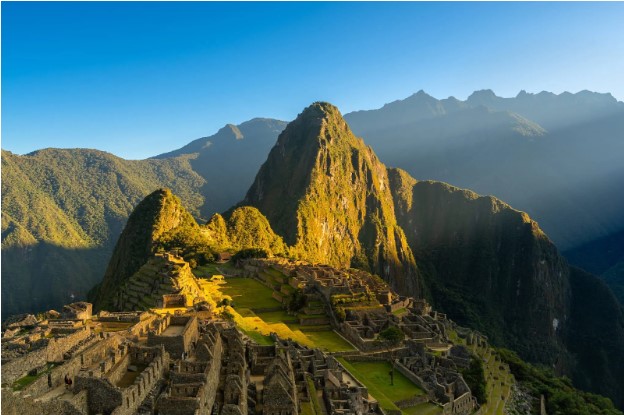


Peru hits different when you’re actually there. All the planning and research you do beforehand helps, but nothing quite prepares you for how the altitude makes you breathless walking upstairs, or how cold mountain mornings feel before the sun hits, or how generous people are when you make an effort to connect. The country rewards travelers who go beyond surface-level tourism, and having the right people guiding you makes all the difference between a trip you enjoyed and one that genuinely changes how you see the world.
Why Local Knowledge Transforms Everything
Working with local travel experts completely changes your Peru experience from the ground up. These aren’t people who studied Peru in tourism school or read a bunch of guidebooks. They were born here. They grew up hearing stories about Inca history from grandparents who heard them from their grandparents. They know which unmarked trail leads to ruins that never make it into tourist brochures. They understand the rhythm of the place in ways that outsiders simply can’t replicate no matter how much they research.
The difference shows up constantly in unexpected moments. Maybe your guide notices you’re really interested in how traditional textiles are made, so instead of just pointing at a weaving demonstration from a distance, she introduces you to her aunt who’s been dyeing wool with natural plants for forty years. Or your driver sees the main road is clogged with traffic and festival crowds, so he takes a back route that not only saves an hour but gives you stunning views of terraced valleys most tourists never see.
Local experts read people and situations better too. They can tell when altitude is hitting you harder than you realize and will suggest slowing down before you push yourself into genuine trouble. They know the difference between restaurants serving authentic local food and those just cranking out what they think tourists expect. They understand cultural nuances that help you interact with communities in respectful ways, which prevents awkward moments and opens doors for real connection.
The practical knowledge matters just as much as cultural insights. Strikes sometimes shut down roads in Peru with almost no warning. Weather in the mountains can shift dramatically within an hour. Local experts have networks of contacts and backup plans that keep your trip moving smoothly even when complications arise. They know which hotels actually deliver on their online promises and which ones photograph way better than they perform in reality.
Beyond just logistics and insider tips, good local guides serve as teachers who help you understand what you’re experiencing. They don’t just tell you when something was built. They explain why it was built that specific way and what that reveals about Inca priorities, engineering capabilities, and worldview. They connect dots between different sites and help you see patterns in how the Incas organized their empire and related to the landscape around them.
These experts also act as cultural translators in subtle but important ways. They help you understand why certain things work the way they do, what behaviors are considered respectful, and how to engage with local communities authentically rather than as a camera-wielding observer. That guidance enriches your experience while ensuring tourism actually benefits the people whose culture and homeland you’re visiting.
Conquering Mountain Trails and High Passes
Peru trekking tours offer some of the most spectacular hiking anywhere on the planet. The Andes create landscapes that shift from high alpine tundra to lush cloud forests, sometimes within a single day’s walk. You might start your morning crossing a windswept pass at 15,000 feet where glaciers cling to nearby peaks, then descend through valleys where orchids bloom in impossible colors and hummingbirds hover at eye level. The variety keeps you engaged even when your legs are screaming and your lungs are working overtime.
The classic Inca Trail gets most of the attention and deserves its reputation. Walking the same stone paths the Incas used to reach Machu Picchu creates a sense of pilgrimage that arriving by train simply cannot match. You pass archaeological sites that most Machu Picchu visitors never see, camp in locations with views that make you understand why these mountains were considered sacred, and arrive at the Sun Gate for sunrise views of the citadel spread out below you.
But the Inca Trail represents just one option among many excellent treks. The Salkantay route takes you past massive glaciated peaks and through incredibly diverse terrain. You start in freezing temperatures near the Salkantay glacier, struggle up to a high pass that tests your cardiovascular fitness, then descend through cloud forest where the air gradually gets thicker and warmer. By the final day you’re practically in jungle, with the temperature and vegetation completely transformed from where you started.
The Ausangate circuit circles one of the most sacred mountains in Inca cosmology and doesn’t mess around with difficulty. You’re camping above 15,000 feet where the air is seriously thin and nights get genuinely frigid. Multiple passes push above 16,000 feet, and the conditions can be harsh with unpredictable weather and terrain that demands your full attention. But those rainbow mountains with their bands of red, yellow, green, and turquoise created by mineral deposits make you feel like you’ve walked onto another planet.
Shorter treks work perfectly if you can’t dedicate five days to walking or if your fitness level isn’t quite there yet. Two-day options give you a real taste of multi-day trekking without the full commitment. Day hikes from Cusco reach viewpoints and lesser-known ruins that reward you with spectacular vistas and almost no crowds. You can structure your trip mixing shorter treks with other activities rather than betting everything on one long route.
The support system on organized treks makes it all manageable. Porters carry the heavy gear while you hike with just a daypack holding water, snacks, and extra layers. Cooks prepare hot meals even at remote high-altitude camps, often surprisingly elaborate considering they’re working with camp stoves and limited resources. Guides handle navigation and provide context about the landscapes and ruins you’re passing through. This arrangement lets you focus on putting one foot in front of the other and soaking in the experience.
Creating Your Perfect Journey
Custom tours in cusco give you the freedom to travel exactly how you want. No more being stuck with a bus full of strangers following someone else’s rigid schedule. You wake up when you feel like it, spend as long as you want at places that capture your interest, and skip right past attractions that don’t do anything for you. That flexibility fundamentally changes how travel feels and what you get out of it.
Maybe you’re fascinated by pre-Columbian archaeology and want to spend serious time at lesser-known ruins with an expert guide who can explain the latest theories and discoveries. A custom tour can arrange that, dedicating full days to sites that regular tours breeze through in an hour. Or perhaps you’re into photography and want to chase the perfect light at different locations. Your itinerary can be built around golden hour at ruins and blue hour in colonial plazas.
Custom arrangements also let you adjust based on how you’re actually feeling rather than powering through because the group has a schedule to maintain. Altitude affects everyone differently and unpredictably. If you’re struggling with headaches and fatigue, you can take it easier for a day or two. If you have way more energy than expected, you can add activities or extend your time at places you’re loving. That responsive approach makes the trip work for you.
The depth of experience changes completely when you have a guide’s full attention. All those random questions that pop into your head throughout the day? You can ask them without worrying about holding up a group or feeling like you’re being annoying. Want to spend half an hour photographing details in a colonial church? Go for it. Curious about that local restaurant tucked down a side street? Your guide knows whether it’s actually good or just looks charming from outside.
Custom tours make particular sense for families or friend groups traveling together. Everyone has input on the itinerary, and you’re not dealing with strangers who might have completely different travel styles or energy levels. Whether you want luxury accommodations and private transportation or prefer to save money on lodging so you can splurge on unique experiences, you can calibrate everything to match your collective priorities and budget.
The cost difference between group and custom tours is often less dramatic than people expect, especially when you’re traveling with three or four people. When you factor in the enhanced experience, the ability to skip things that don’t interest you while diving deeper into what does, and not wasting time on activities that exist mainly to accommodate the needs of large groups, the value proposition makes real sense.
Diving Deep into Living Traditions
Peru cultural tours show you that this country isn’t a museum where culture died out centuries ago. Yes, the Inca heritage runs incredibly deep and influences everything. But culture here is alive, constantly evolving, and expressed in how people live their daily lives right now. In markets around Cusco you see this blend everywhere. Women in traditional layered skirts and distinctive bowler hats sell vegetables next to younger vendors in jeans and soccer jerseys. Both are authentically Peruvian, just expressing their identity in different ways.
Visiting communities in the Sacred Valley or higher up in the mountains reveals how people maintain traditional practices while also engaging fully with the modern world. Families might still farm using foot plows and harvest crops by hand, techniques that reach back centuries before the Incas. But they also have smartphones, watch soccer on TV, and send their kids to schools where they learn Spanish and math alongside Quechua and traditional knowledge.
Textile traditions represent some of the most visible cultural continuity you’ll encounter. The patterns woven into belts, ponchos, and mantas carry deep meaning, identifying which community someone comes from and sometimes their role or status within that community. Watching a skilled weaver work, seeing how she creates complex geometric designs entirely from memory without any written pattern or guide, gives you genuine appreciation for expertise that takes decades to fully develop.
The weaving process itself connects to the land and seasons. Women collect plants at specific times of year to create natural dyes. The colors they achieve, from deep indigos to bright reds to subtle earth tones, come from leaves, roots, insects, and minerals they gather from their surroundings. This isn’t craft for tourists. These are textiles people wear daily, and the knowledge gets passed from mothers and grandmothers to daughters in an unbroken chain.
Food culture deserves serious attention on any cultural tour. Peruvian cuisine has exploded onto the international scene recently, but eating in people’s homes or at small neighborhood restaurants gives you completely different perspective than high-end Lima establishments. You taste dishes that haven’t been adapted or refined for tourist palates. Pachamanca, where meat and vegetables cook in an underground oven heated with hot stones, uses methods that predate the Inca Empire by centuries.
Music and festivals bring entire communities together throughout the year. If your timing works out, you might stumble into a local celebration with brass bands, dancers in elaborate hand-sewn costumes, and rituals that seamlessly blend Catholic and pre-Columbian elements. These aren’t performances staged for tourist cameras. They’re genuine expressions of community identity, continuity, and belonging. Being invited to observe or participate feels like a privilege that needs to be treated with respect.
Learning from True Specialists
The difference between visiting Machu Picchu and truly understanding it often comes down to working with machu picchu experts who’ve dedicated years to studying this place. These specialists haven’t just memorized facts and dates. They’ve spent time examining the stonework up close, reading archaeological reports as new discoveries emerge, and developing their own theories about how different parts of the site functioned and related to each other.
Expert guides notice architectural details and patterns that completely change how you see the ruins. They point out how specific buildings align precisely with mountain peaks that held sacred significance in Inca cosmology. They explain the acoustic properties built into certain temple spaces and demonstrate how sound behaves in those environments. They identify different stone-cutting techniques and can tell you why the Incas chose specific approaches for different structures.
These specialists also stay current with evolving understanding of Machu Picchu. New research constantly refines theories about the site’s purpose, when different sections were built, and how it fit into the broader Inca Empire. Expert guides incorporate these developments into their interpretations rather than sticking with outdated explanations that sound authoritative but don’t reflect current archaeological thinking.
Beyond just Machu Picchu itself, true experts provide crucial context for the entire region. They explain how this site connected to others throughout the Sacred Valley and beyond. They help you understand the sophistication of Inca engineering, agricultural systems, and social organization. They can discuss how the site was used, why it was eventually abandoned, and how its rediscovery in the early 1900s shaped both tourism and archaeological practice in Peru.