


A Tanzania wildlife safari offers unparalleled access to one of Earth’s most spectacular concentrations of wild animals, where ecosystems function largely as they have for millennia and wildlife populations thrive in numbers rarely seen elsewhere on the planet. From the iconic Big Five to hundreds of lesser-known but equally fascinating species, Tanzania’s protected areas harbor biodiversity that astounds even seasoned naturalists. Understanding what wildlife you’ll encounter, where to find specific species, and how animal behaviors shift seasonally transforms simple sightings into profound appreciation of Africa’s magnificent fauna.
Tanzania’s Wildlife Wealth
Tanzania supports over 430 mammal species and more than 1,100 bird species across diverse ecosystems ranging from coastal forests to alpine moorlands. This extraordinary biodiversity stems from the country’s varied geography creating numerous specialized habitats, each supporting distinct animal communities. A comprehensive Tanzania wildlife safari exposes travelers to this remarkable variety, with different parks and regions offering unique wildlife assemblages.
The country’s commitment to conservation—protecting approximately 38 percent of its territory—enables wildlife populations to maintain natural densities and behaviors. Unlike regions where human encroachment has fragmented habitats and reduced populations to remnant groups, Tanzania’s vast protected areas allow animals to live, migrate, and breed following ancient patterns largely undisturbed by human interference.
The Big Five on Tanzania Wildlife Safari
Lions: Africa’s Apex Predators
Tanzania supports Africa’s largest lion population, with over 14,000 individuals distributed across various conservation areas. On a Tanzania wildlife safari, lion encounters occur frequently, particularly in Serengeti National Park hosting approximately 3,000 lions, Ngorongoro Crater with its dense concentrations, and Tarangire National Park’s substantial prides.
Lion behavior varies dramatically between parks and seasons. Serengeti prides follow wildebeest migrations, their movements dictated by prey availability. Ngorongoro’s isolated crater population exhibits unique genetic characteristics from limited breeding pools. Observing lions on Tanzania wildlife safari reveals complex social structures—pride hierarchies, cooperative hunting strategies, territorial behaviors, and tender interactions between mothers and cubs.
Leopards: The Elusive Cats
Leopards represent Tanzania wildlife safari’s most challenging Big Five sighting. These solitary, primarily nocturnal cats possess remarkable camouflage and secretive natures. However, Tanzania provides excellent leopard opportunities, particularly in Serengeti’s kopjes (rock outcroppings) where leopards rest during daylight, and riverine forests where they stash kills in trees away from competing predators.
Patient observation is often rewarded with fascinating leopard behaviors—hunting techniques utilizing stealth and explosive power, incredible tree-climbing abilities hauling prey weighing more than themselves, and territorial marking maintaining spacing between individuals. Quality guides understand leopard habits and signs, dramatically increasing sighting probabilities during Tanzania wildlife safari.
African Elephants: Gentle Giants
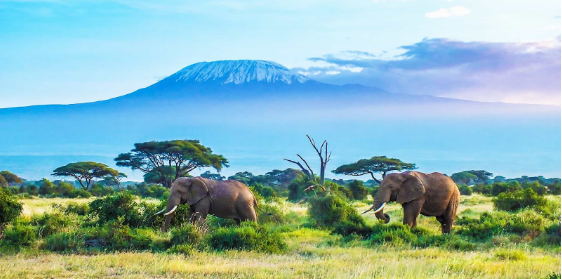
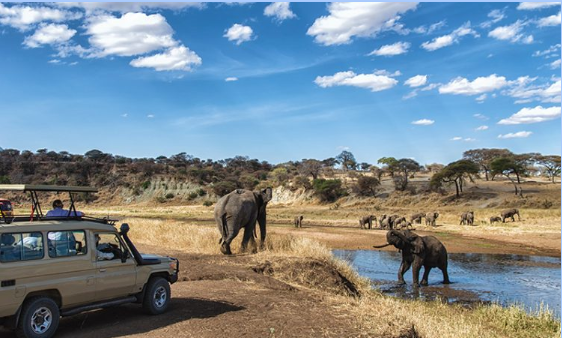
Tanzania harbors substantial elephant populations, particularly impressive in Tarangire National Park where herds numbering hundreds congregate during dry seasons, and Ruaha National Park supporting one of Africa’s largest elephant populations exceeding 15,000 individuals. These intelligent, social animals exhibit behaviors captivating observers—complex family dynamics led by matriarchs, tender care of youngsters by entire herds, and sophisticated communication through vocalizations and infrasound.
Elephant encounters on Tanzania wildlife safari range from single bulls wandering independently to massive aggregations at water sources. Watching elephants interact—greeting ceremonies, playful youngsters, protective mothers, and coordinated group movements—provides insights into mammalian intelligence and social complexity rivaling primates.
Cape Buffalo: The Unpredictable Herbivores
Cape buffalo occur throughout Tanzania’s parks in large herds sometimes numbering thousands. Despite herbivorous diets, buffalo possess dangerous reputations—unpredictable temperaments, formidable horns, and protective herd behaviors make them among Africa’s most dangerous animals. Tanzania wildlife safari observers witness dramatic interactions when predators attempt buffalo hunts—coordinated lion attacks on isolated individuals, desperate defensive formations protecting vulnerable calves, and occasionally successful counter-attacks injuring or killing predators.
Buffalo provide excellent photographic subjects—massive bulls with boss-horned heads covered in mud, herds creating dust clouds moving across plains, oxpeckers feeding on parasites creating symbiotic scenes, and youngsters staying close to protective mothers.
Black and White Rhinoceros
Rhinos represent Tanzania wildlife safari’s rarest sightings. Black rhinos inhabit Ngorongoro Crater in small but stable populations, making the crater one of East Africa’s most reliable locations for wild rhino encounters. These critically endangered animals face persistent poaching threats despite intensive protection efforts.
White rhinos, though not native to Tanzania, were recently reintroduced to specific areas. Rhino sightings create special moments on Tanzania wildlife safari given their rarity and conservation significance. Observing these prehistoric-looking megaherbivores—their massive bulk, horn structures, and ancient lineage—connects us with species survival depending entirely on human conservation commitment.
Beyond the Big Five: Tanzania Wildlife Safari Diversity
Predators and Carnivores
Tanzania wildlife safari encounters extend well beyond Big Five species. Cheetahs, the world’s fastest land animals, hunt openly across Serengeti’s short-grass plains, providing spectacular chase sequences when conditions align. Spotted hyenas, often misunderstood as mere scavengers, actually kill most of their food through sophisticated pack hunting requiring cooperation and intelligence.
African wild dogs, the continent’s most endangered large carnivore, maintain viable populations in southern Tanzania parks like Ruaha and Nyerere. These highly social animals hunt cooperatively with remarkable success rates exceeding 80 percent. Encountering wild dog packs on Tanzania wildlife safari represents privilege given their rarity and the endangered status throughout Africa.
Smaller predators including servals, caracals, African civets, genets, and various mongoose species appear during Tanzania wildlife safari, particularly on night drives in private concessions where nocturnal activity becomes visible.
Herbivore Diversity
The Great Migration involves over two million wildebeest accompanied by hundreds of thousands of zebras and gazelles, creating the planet’s most spectacular herbivore aggregation. Beyond migration species, Tanzania wildlife safari encounters giraffes browsing acacia trees, hippos occupying rivers and lakes, warthogs trotting with tails upright, numerous antelope species from tiny dik-diks to massive elands, and primates including baboons, vervet monkeys, and in western regions, chimpanzees.
Each herbivore occupies ecological niches—zebras eating tough grass stems, wildebeest consuming leaves, gazelles targeting fresh shoots—creating complementary rather than competitive feeding. This diversity demonstrates ecosystem complexity supporting numerous species through specialization.
Avian Abundance
Tanzania wildlife safari delivers exceptional birding with over 1,100 recorded species. Raptors including martial eagles, African fish eagles, and numerous vulture species patrol skies. Ground birds range from massive ostriches and kori bustards to colorful lilac-breasted rollers and superb starlings. Waterbirds include flamingo flocks creating pink shorelines, storks, herons, ibises, and countless waterfowl species.
Serious birders often extend Tanzania wildlife safari specifically targeting endemic or rare species. Each ecosystem supports specialized avifauna—woodland species differ from grassland birds, aquatic habitats harbor different communities than arid zones, and seasonal migrants swell diversity during European winter months.
Wildlife Behavior and Seasonal Patterns
Predator-Prey Dynamics
Tanzania wildlife safari provides front-row seats to predator-prey relationships driving ecosystem dynamics. Observing hunts—lions coordinating attacks on buffalo, cheetahs pursuing gazelles at incredible speeds, leopards stalking from concealment—reveals survival strategies refined over millions of years. Equally compelling are prey defense mechanisms: vigilant sentinel behaviors, alarm calls warning herd mates, protective group formations, and occasionally successful counter-attacks.
Understanding these dynamics enriches Tanzania wildlife safari beyond simple species checklists. Recognizing tension when predators appear near prey herds, interpreting alarm behaviors signaling hidden dangers, and appreciating successful hunts as necessary ecosystem functions rather than tragedy deepens wildlife appreciation.
Migration Movements
The Great Migration dominates Tanzania wildlife safari planning for many travelers. This circular movement follows rainfall patterns, with herds seeking fresh grazing and water availability. December through March sees concentrations in southern Serengeti for calving season. April through June involves northwestern migration. July through October brings dramatic river crossings in northern Serengeti and Maasai Mara.
Understanding migration timing and current locations optimizes Tanzania wildlife safari positioning. Mobile camps following herds provide optimal access, while permanent lodges in migration paths guarantee encounters during specific periods. The spectacle of hundreds of thousands of animals moving as unified mass, crossing rivers despite crocodile dangers, and giving birth synchronously to overwhelm predators represents nature’s grandeur at incomprehensible scales.
Breeding and Calving Seasons
Many species time births to maximize offspring survival. Wildebeest calving concentrates in southern Serengeti during January-February, producing approximately 500,000 calves within weeks. This synchronicity overwhelms predators who, despite killing thousands, can’t prevent most calves surviving. Tanzania wildlife safari during calving season witnesses intense predator activity capitalizing on vulnerable newborns.
Other species show less synchronized breeding, though seasonal patterns emerge. Understanding these rhythms helps anticipate behaviors—rutting seasons bringing male competitions, birth periods with protective mothers and playful youngsters, and seasonal movements tracking resource availability.
Maximizing Wildlife Encounters on Tanzania Safari
Optimal Viewing Times
Wildlife activity follows daily rhythms on Tanzania wildlife safari. Early morning game drives catch predators active from night hunting and prey animals feeding before heat intensifies. Late afternoon through evening drives capture increased activity as temperatures moderate. Midday typically sees animals resting in shade, though waterholes maintain activity with elephants bathing and various species drinking.
Full-day excursions allow deeper park penetration to remote areas with potentially different wildlife communities and less tourist presence. Night drives in private concessions reveal entirely different species—nocturnal predators, smaller carnivores, and unique behaviors invisible during daylight.
Reading Wildlife Signs
Expert guides enhance Tanzania wildlife safari by interpreting signs invisible to untrained eyes—fresh tracks indicating recent animal passage, scat revealing diet and identity, territorial markings like tree scrapings or scent posts, disturbed vegetation suggesting animal trails, and bird behaviors signaling predator presence. Learning these skills transforms passive observation into active tracking, increasing encounter frequency and quality.
Photography Considerations
Capturing Tanzania wildlife safari requires appropriate equipment—telephoto lenses (minimum 200-400mm), fast shutter speeds freezing action, and patience waiting for compelling behaviors beyond static portraits. Golden hour lighting during sunrise and sunset provides warmth and drama, while overcast conditions offer even illumination reducing harsh shadows.
Ethical photography maintains respectful distances, never disturbs animals for better shots, and prioritizes subject welfare over imagery. The most compelling photographs capture natural behaviors—interactions, emotions, environmental context—telling stories beyond simple documentation.
Conservation Context
Tanzania wildlife safari operates within complex conservation realities. Success stories include recovering elephant populations following poaching crises and stable lion numbers bucking continental decline trends. However, challenges persist—human-wildlife conflict as populations expand, habitat fragmentation outside protected areas, climate change impacts, and persistent poaching despite reduced levels.
Tourism revenue directly funds conservation through park fees, employment creating alternatives to activities threatening wildlife, and demonstrating economic value of living animals. Responsible Tanzania wildlife safari choices supporting ethical operators contribute meaningfully to protecting the species we come to admire.
Conclusion
A Tanzania wildlife safari delivers far more than checking species off lists—it provides windows into functioning ecosystems where natural processes continue largely undisturbed, where predator and prey engage in ancient dances of survival, where family bonds and social structures rival human complexity in sophistication and emotional depth. The privilege of witnessing lions raising cubs, elephants displaying intelligence and compassion, leopards demonstrating stealth and power, or millions of animals migrating purely by instinct creates profound connections with nature that reshape how we understand our place within Earth’s living systems. These encounters, made possible by Tanzania’s conservation commitment and facilitated by expert guides interpreting behaviors and signs, transform us from tourists into witnesses to life’s grandeur, often sparking lasting passion for wildlife protection ensuring these magnificent animals thrive for generations yet to experience their own transformative Tanzania wildlife safari moments.
Key Takeaways
- Tanzania supports over 430 mammal species and 1,100+ bird species across diverse ecosystems
- The country harbors Africa’s largest lion population exceeding 14,000 individuals
- Big Five encounters occur reliably across Tanzania’s parks with varying densities and behaviors
- Beyond Big Five, Tanzania hosts cheetahs, wild dogs, hyenas, and hundreds of other species
- The Great Migration involving 2+ million animals creates Earth’s greatest terrestrial wildlife spectacle
- Seasonal patterns affect wildlife distribution, breeding behaviors, and optimal viewing opportunities
- Early morning and late afternoon game drives maximize wildlife activity encounters
- Expert guides interpret animal signs and behaviors invisible to untrained observers
- Photography requires telephoto lenses, fast shutter speeds, and ethical practices prioritizing animal welfare
- Tourism revenue directly supports Tanzania’s conservation efforts protecting wildlife populations